Athletic Track
Designed specifically for track and field events, providing an even, safe, and durable surface for athletes. Unlike traditional dirt or grass tracks, synthetic running tracks are made from advanced materials like polyurethane (PU), rubber, or EPDM (ethylene propylene diene monomer) granules, which are designed to provide a consistent, high-performance surface. These tracks are ideal for professional competitions, schools, sports clubs, and community athletic facilities.
Get a QuoteTypes of Synthetic Running Track Sports Flooring
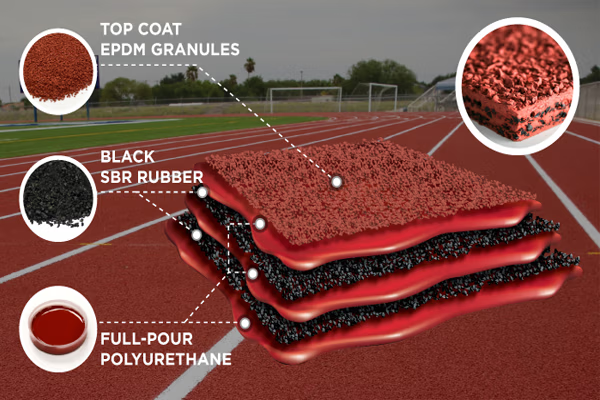
Polyurethane (PU) Running Tracks
Polyurethane running tracks are made from a PU binder mixed with rubber granules. The surface provides good shock absorption and is known for its durability and long lifespan.
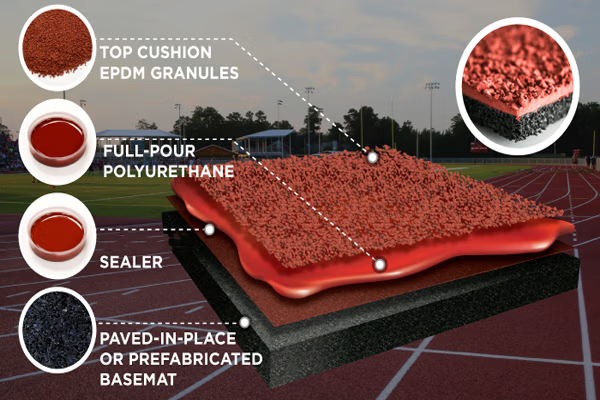
Sandwich Type Running Tracks
A type of synthetic track made using a multi-layered construction technique, often consisting of several distinct layers that offer optimal performance, durability, and comfort.
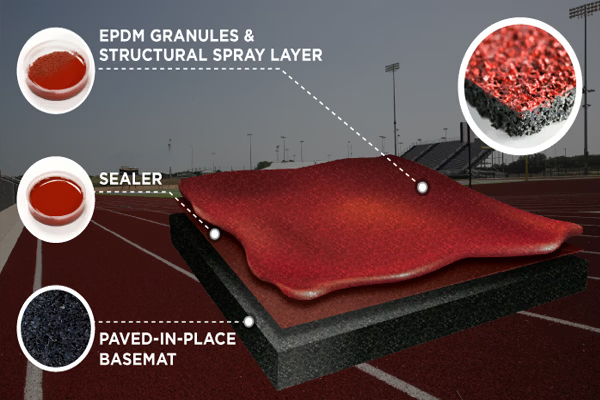
Spray Type Running Track
High-performance athletic surfaces made using liquid-based application technology. This type of track is often preferred for its cost-effectiveness, smooth finish, and durability.
Key Features of Synthetic Running Track Sports Flooring
High-Performance Surface
- Consistent and Smooth: Synthetic running tracks are engineered to provide a smooth and even surface, ensuring that athletes have a consistent experience throughout the track.
- Speed & Traction: The materials used for these surfaces allow for optimal traction, enabling sprinters to generate maximum speed without the risk of slipping. The texture is specially designed to offer the right amount of grip for both sprinters and distance runners.
Durability
- Wear Resistance: Synthetic running tracks are built to withstand high levels of foot traffic, extreme weather conditions, and regular use during training and competitions. The high-density material prevents wear and tear, even under heavy use.
- Weather Resistance: Synthetic surfaces are weather-resistant, meaning they can be used in a variety of conditions. Whether it's rain, heat, or snow, the surface remains safe and functional. Some materials like polyurethane and EPDM are particularly resistant to UV degradation, ensuring they maintain their color and performance over time.
Safety
- Shock Absorption: A key feature of synthetic tracks is their shock-absorbing properties. The surface is designed to cushion the impact when runners make contact with the ground, reducing the risk of injury to joints, knees, and ankles. This is especially important for athletes who run regularly.
- Non-Slip Surface: The textured surface provides excellent traction for athletes during all phases of running, reducing the chance of slipping or losing control, especially during high-speed sprints.
Environmental Considerations
- Recyclable Materials: Many synthetic running tracks are made using recyclable or sustainable materials like recycled rubber or EPDM, making them an environmentally friendly option. This helps minimize the environmental footprint of the track construction.
- Drainage: Good synthetic tracks are designed to have excellent drainage properties. The surface allows rainwater to pass through, preventing puddles and ensuring that the track remains dry and safe to use even in wet conditions.
Customization
- Colors: Synthetic running tracks can be customized in a variety of colors, with red, blue, and black being the most common options. You can also create distinctive markings for lanes, start lines, finish lines, and other necessary track features.
- Lane Markings: Tracks are typically marked with lane lines, and custom lane widths can be specified. These markings are often applied using durable paints or coatings designed to withstand wear and tear.
Low Maintenance
- Easy to Clean: Synthetic tracks are low-maintenance surfaces that require only basic cleaning to remove debris, dirt, and leaves. Occasionally, the surface may need to be pressure washed or brushed to keep it in optimal condition.
- Resistant to Damage: Synthetic tracks resist damage from common issues such as tree roots, heavy foot traffic, and UV degradation. In the case of damage, individual sections of the track can be repaired or replaced, which is more cost-effective than resurfacing the entire track.
Applications
- Professional Sports Facilities: Used in Olympic or professional-level athletic tracks.
- High Schools and Colleges: Synthetic tracks are perfect for educational institutions hosting track and field competitions, offering both safety and high performance.
- Community Centers: Community sports centers often install synthetic tracks to provide a reliable, long-lasting surface for recreational runners, joggers, and sports teams.
- Training Centers: Many training facilities for track and field athletes use synthetic tracks because of the consistent, high-performance surface they provide.
- Recreational Parks: Some public parks and recreation areas install synthetic tracks for public use.