Sports Flooring
Discover our range of high-quality sports flooring solutions designed for durability, performance, and safety. From wooden courts to synthetic options, we offer versatile flooring for various sports and activities.
Get a Quote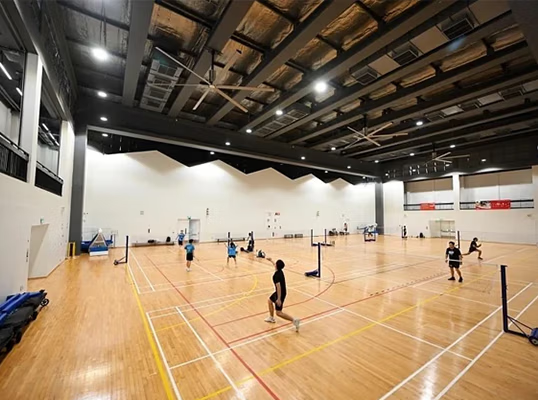
Wooden Court
High-quality professional wooden courts for indoor sports.
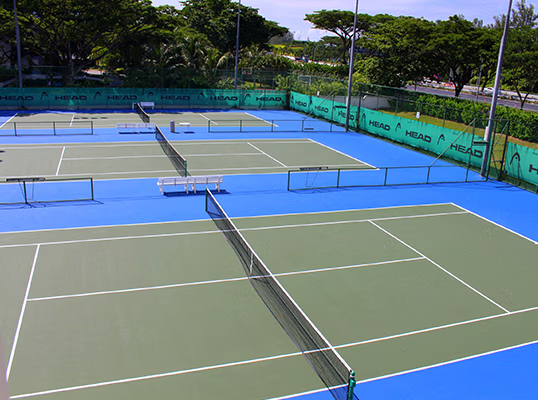
Synthetic Acrylic
Durable outdoor flooring for multiple sports applications.
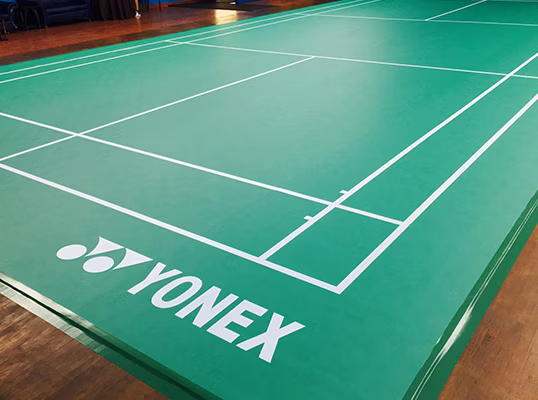
PVC Vinyl
Comfortable, shock-absorbing indoor sports surface.
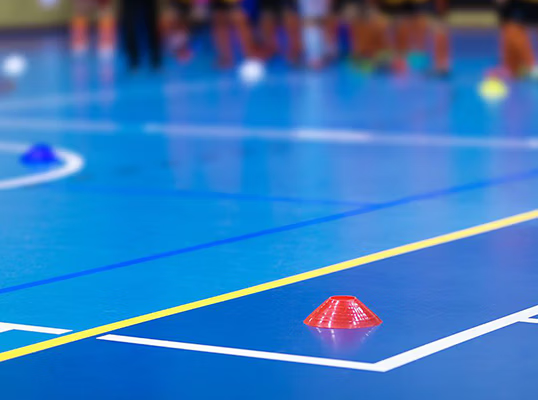
PU (Polyurethane)
High-performance indoor sports flooring with comfort.
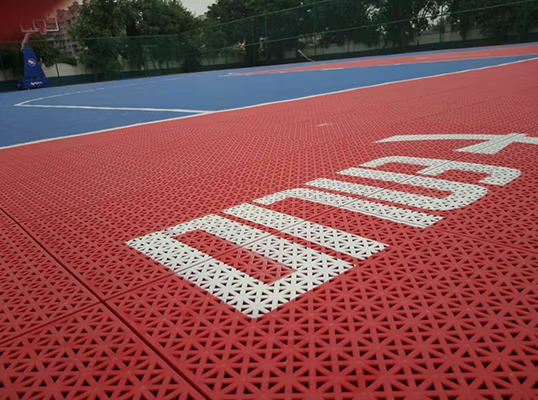
PP Tiles
Interlocking sports tiles for indoor and outdoor courts.
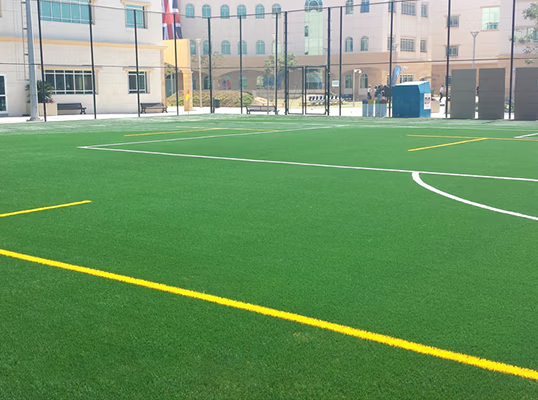
Multisport Grass Mat
Synthetic grass for multiple indoor/outdoor sports uses.
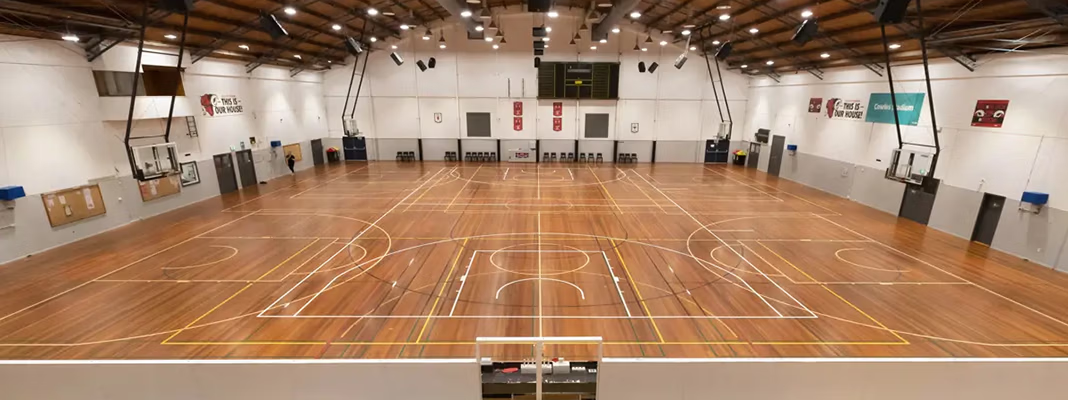
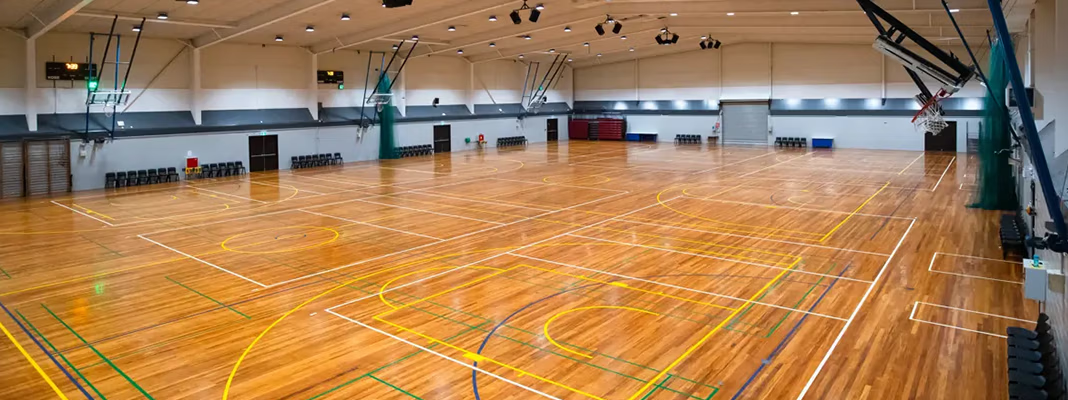
Wooden Court
High-quality, professional-grade court made of wood, often used in indoor venues for both recreational and competitive play. The wooden surface provides the right balance of grip and smoothness for the fast-paced game of badminton.
Types of Wooden Floors Used for Badminton Courts
- Maple: One of the most popular choices for indoor sports flooring, maple is strong, durable, and offers excellent resilience. It provides a smooth surface with good grip, which is important for badminton.
- Teak: Widely used for sports floors. Incredibly strong and durable, making it ideal for high-traffic sports courts. and offers a good balance between comfort and performance.
Maple Wood for Badminton Courts
A maple wood badminton court is one of the most common and preferred surfaces for indoor badminton, as maple is renowned for its combination of durability, aesthetic appeal, and performance benefits. Here’s a detailed look at maple wood badminton courts, including advantages, construction, maintenance, and other relevant factors.
- Durability & Strength
Strong & Resilient: Maple is a dense and durable hardwood, ideal for indoor sports courts that undergo heavy use. It can withstand the impact of rapid movements, sudden stops, and high foot traffic, all of which are common in badminton.
Long Lifespan: A well-maintained maple wood court can last decades. The wood resists wear and tear better than softer woods, ensuring it remains smooth and stable over time. - Consistent Performance
Stable Surface: Maple is known for its stability, ensuring that the court remains flat and consistent in all conditions. This is crucial for maintaining a predictable and fair playing environment in a fast-paced game like badminton.
Good Traction & Bounce: The surface offers the right balance of traction, preventing players from slipping during quick movements while allowing for an even, predictable bounce of the shuttlecock. - Shock Absorption
Joint Protection: Maple wood courts, particularly when installed with a proper subfloor system, have excellent shock absorption, reducing the risk of joint injuries caused by the high-impact nature of badminton.
Comfortable Play: The slight give provided by maple helps cushion players' feet, making long hours of play more comfortable. - Aesthetic Appeal
Beautiful Appearance: Maple wood has a pale, creamy color with a smooth grain pattern, giving it a sleek, modern, and clean look. This makes it a favorite in many sports venues, especially those that prioritize both functionality and appearance.
Professional Look: The light color of maple contrasts well with the court lines, making the court visually appealing and easy to navigate during games. - Low Maintenance
Easy to Clean: Maple’s smooth surface makes it easy to clean and maintain, requiring only regular sweeping and occasional mopping.
Refinishing: Maple floors are easy to sand and refinish, making them easy to restore to their original condition after years of use.
Teak Wood for Badminton Courts
A teak wood badminton court is a premium choice for creating a durable and aesthetically pleasing indoor playing surface. Teak is one of the most luxurious hardwoods available and is often used in high-end sports facilities due to its strength, natural beauty, and resistance to wear and tear. Here's a detailed look at why teak wood is used for badminton courts and the benefits and considerations associated with it.
- Durability
Strength: Teak wood is incredibly strong and durable, making it ideal for high-traffic sports courts. It resists wear and tear much better than many other woods, which is essential for a sport like badminton, where players move rapidly and change direction frequently.
Long Lifespan: Due to its dense, tight grain, teak is highly resistant to scratching, denting, and damage from impacts, which makes it a long-lasting choice for a badminton court. A teak wood court can last 30 years or more with proper maintenance. - Natural Resistance to Moisture
Humidity Resistance: Teak contains natural oils that make it resistant to moisture, which is a key consideration for indoor sports courts. This resistance helps to prevent the wood from warping or expanding in areas with fluctuating humidity levels, ensuring the surface stays stable.
No Swelling or Shrinking: Unlike other woods that can swell in humid environments or shrink in dry conditions, teak’s natural oils allow it to maintain its shape and strength, ensuring consistent performance over time. - Aesthetic Appeal
Beautiful Appearance: Teak is known for its rich golden-brown color with dark streaks, giving it a warm and inviting look. The natural grain patterns make it visually striking, adding a touch of elegance to any sports venue.
Luxe Feel: A teak wood badminton court instantly elevates the aesthetic of a facility, making it ideal for high-end gyms, sports clubs, or professional arenas where appearance matters as much as performance. - Low Maintenance
Self-Protective: Due to its natural oils, teak requires less maintenance than other wood types. While it still needs periodic cleaning and refinishing, it generally doesn’t require as frequent treatments for protection against moisture or wear as other hardwoods.
Natural Weather Resistance: The oils in teak also protect it from insects and fungi, reducing the need for chemical treatments that might be required with other types of wood.
Advantages of Wooden Courts
- Ideal Playing Surface: Wooden courts offer the right combination of grip and slip resistance, which is essential for fast movements while playing. The wood gives a smooth yet slightly tacky feel, allowing players to move quickly without risking injury from sliding.
- Shock Absorption: Wood has natural shock-absorbing properties, which help reduce stress on players' joints, especially in a high-impact sport like badminton, volley ball, basket ball etc. This makes it comfortable to play on for extended periods.
- Durability: When properly installed and maintained, a wooden badminton court can last for decades. It’s highly resistant to wear and tear, especially when made from high-quality wood such as maple & teak.
- Aesthetic Appeal: Wooden courts are aesthetically pleasing. They provide a natural, warm look that’s often preferred for indoor venues. The rich colour of the wood also enhances the overall ambiance of the sports facility.
- Low Maintenance: While wooden courts need regular cleaning and occasional sanding or refinishing, they generally require less maintenance compared to synthetic surfaces. Wooden floors are also easier to repair in case of damage, such as dents or scratches.
Construction of a Wooden Court
The construction of wooden court typically involves several layers to ensure stability, durability, and optimal performance.
Subfloor System
- Cushioning Layer: A shock-absorbing subfloor, often made of rubber or foam, is laid beneath the planks. This helps reduce the impact on players' joints and enhances overall comfort.
- Vapor Barrier: In certain environments, especially in areas with high humidity, a vapor barrier is used to prevent moisture from reaching the wood, which could cause it to warp.
Maple Floor Installation
- Wooden Planks: The wood planks are installed in a specific pattern, usually with the grain running parallel to the direction of play. This ensures that the surface remains consistent, especially under the stress of rapid movement.
- Glue or Nail Down: The planks are secured to the subfloor using nails or adhesive, with the edges of each plank interlocked to form a solid, smooth surface.
Surface Finish
Once installed, the wood floor is finished with a protective coating, typically a polyurethane or varnish, to enhance its durability, reduce wear, and give it a glossy appearance. This finish also helps protect the wood from scuff marks and damage caused by high-foot traffic.
Court Markings
The official badminton court lines are marked using either paint or tape after the maple floor has been installed. The lines should be clearly visible and not affect the grip or smoothness of the surface.
Maintenance of Wooden Courts
Proper care and maintenance are essential to ensure the longevity and performance of a wooden badminton court.
Regular Cleaning
- Sweeping: Dust and dirt can affect both the appearance and performance of the court, so it's important to regularly sweep the court using a soft broom or vacuum to remove debris.
- Mopping: Periodically, the court should be mopped with a damp (not wet) mop. Use a mild wood cleaner or a solution of water and vinegar. Avoid harsh chemicals or excessive water, as they can damage the wood.
- Avoiding Food or Drink Spills: Spills should be cleaned immediately to prevent staining or damage to the wood finish.
Refinishing
- Sanding: Over time, the wood surface may become worn from use, especially in high-traffic areas. Light sanding can help remove scratches and imperfections while ensuring that the surface remains level and smooth.
- Re-coating: After sanding, the floor should be refinished with a new layer of polyurethane or varnish to restore its glossy finish and protect it from future wear.
Humidity Control
Wood is sensitive to changes in humidity, so it's important to maintain a stable indoor environment. Excess moisture can cause the wood to swell, while dry conditions can lead to shrinking or cracking. Using a humidifier or dehumidifier can help maintain the ideal humidity range for the wood.
Repairs
If the wooden floor becomes scratched, dented, or damaged, it can usually be repaired easily. Minor repairs involve sanding and refinishing the affected area, while more significant damage may require replacing specific planks.
Cost Considerations
- Installation Costs: Wooden courts tend to be more expensive to install than synthetic courts due to the materials, construction process, and the need for a professional installation. The cost of a wooden badminton court can vary widely depending on the type of wood, size of the court, and location, but it usually ranges from 400 to 450 Rs/ Sq. Ft
- Long-Term Investment: Although the initial cost is higher, wooden courts can be a good investment over time due to their durability, aesthetic appeal, and relatively low maintenance. The costs for refinishing and maintenance are also relatively low compared to synthetic courts.
Ideal Usage for Wooden Badminton Courts
- Professional Tournaments: Many professional badminton tournaments are held on wooden courts due to the superior playing experience they provide.
- Indoor Recreational Spaces: Wooden badminton courts are ideal for indoor sports halls, gyms, and sports complexes where high-performance and aesthetics are key factors.
- School or University Sports Facilities: Schools and universities often choose wooden floors for their long-lasting durability and enhanced playing surface quality, especially in badminton-specific courts.
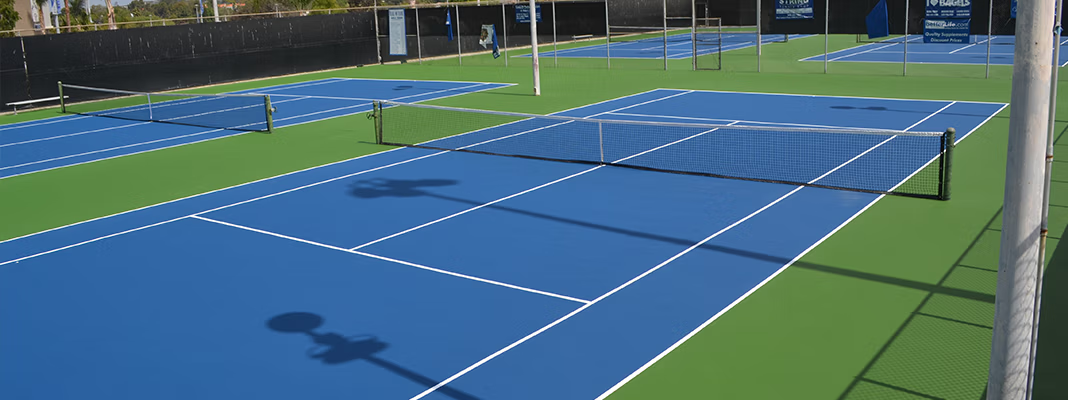
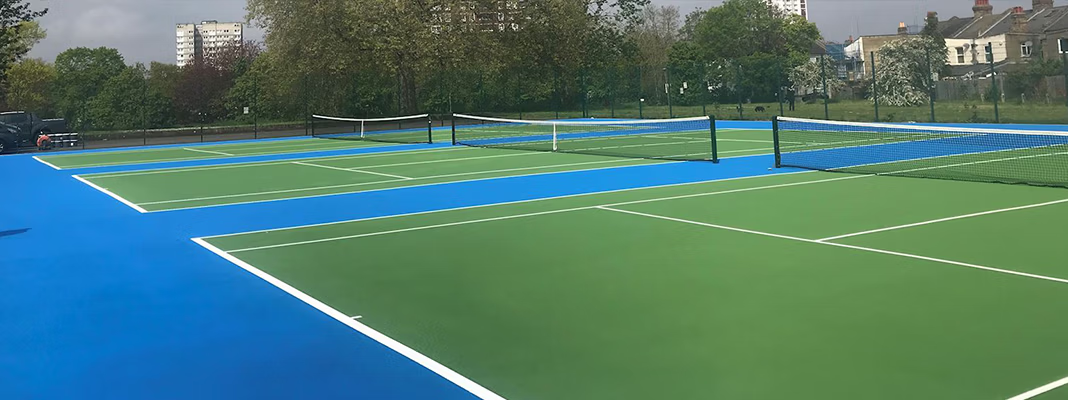
Synthetic Acrylic Sports Flooring
A highly versatile and durable sports flooring system used in a wide range of outdoor sports facilities. It’s commonly used for sports courts like basketball, tennis, volleyball, and multi-purpose courts. The material provides excellent grip, comfort, and impact resistance, making it ideal for sports and physical activities.
Key Features of Synthetic Acrylic Sports Flooring:
- Durability:
Weather-Resistant: Acrylic floors can withstand varying weather conditions (sun, rain, etc.) without losing their quality or performance. They are commonly used outdoors for tennis courts, basketball courts, and even multi-purpose play areas.
Long Lifespan: High resistance to wear and tear from frequent usage ensures a longer lifespan than other flooring materials, like natural grass or wood. - Slip Resistance:
The textured surface of acrylic floors provides excellent traction, reducing the risk of slips and falls during athletic activities. - Comfort & Safety:
Shock Absorption: Acrylic floors offer cushioning and shock absorption to minimize the impact on joints, which is crucial for activities like running, jumping, or playing sports like basketball and tennis.
Consistency: Acrylic surfaces maintain their smoothness, preventing the risk of tripping hazards that could arise with other flooring materials (like uneven or worn-out wood floors). - Customization:
Colour Variety: Acrylic flooring comes in a wide range of colours and can be customized to fit the aesthetic or branding needs of the facility. You can create different markings for various sports, like tennis lines, basketball court layouts, etc.
Logo Integration: You can easily integrate logos or designs into the floor for visual appeal or promotional purposes. - Maintenance:
Low Maintenance: Synthetic acrylic flooring is relatively easy to clean. A simple mop or water rinse can keep it in good condition. It does not require sanding, sealing, or refinishing, unlike wooden floors.
Resistant to Stains: The smooth surface doesn't absorb dirt or stains as easily as porous materials (like wood or concrete). - Environmentally Friendly:
Many modern acrylic floors are made with environmentally friendly materials and are 100% recyclable, making them a sustainable option for sports facilities. - Cost-Effective:
While initial installation costs can be higher compared to some other flooring options (like asphalt or dirt), the long-term maintenance savings and durability make it a cost-effective solution. - Performance:
Speed and Bounce: For sports like tennis or basketball, the floor provides the right amount of bounce, ensuring optimal performance and ball control.
Consistency in Play: The surface remains consistent in terms of performance throughout the year, regardless of outdoor temperature fluctuations.
Applications of Synthetic Acrylic Sports Flooring:
- Badminton / Tennis / Basket Ball / Volley Ball Courts: This is one of the most common applications due to the durability and grip it offers for both recreational and professional use.
- Pickle ball Courts: Provides a smooth, non-slip surface ideal for fast movements.
- Playgrounds: In outdoor playgrounds, synthetic acrylic surfaces can be used to create safe, comfortable play areas for children.
- Athletic Tracks: Though not as common for running tracks, acrylic materials can be used for sprint lanes or smaller practice tracks.
Installation Process:
- Preparation: A proper base layer must be installed before the synthetic flooring is applied, usually consisting of a concrete or asphalt surface.
- Priming: The surface is primed to ensure proper adhesion of the acrylic coating.
- Acrylic Coatings: Layers of acrylic paint are applied with a special applicator or roller, and the surface is allowed to cure between layers.
- Line Marking: The final step is marking the lines for the different sports or play zones, usually done with precision equipment to ensure accuracy.
Advantages:
- Fast Drying: Acrylic flooring can be quickly dried and ready for use after installation, reducing downtime.
- Uniform Surface: Provides a consistent surface for optimal play and performance, reducing the likelihood of injuries caused by surface imperfections.
Maintenance Tips:
- Regular Cleaning: Sweep or blow debris off regularly. Use a hose or mop to clean the surface from dirt or stains. Avoid using harsh chemicals or abrasive materials.
- Resurfacing: Depending on usage, the acrylic surface may need to be resurfaced every few years to maintain optimal performance and appearance.
- Inspection: Regularly check for cracks or peeling, especially after heavy use or exposure to extreme weather conditions.
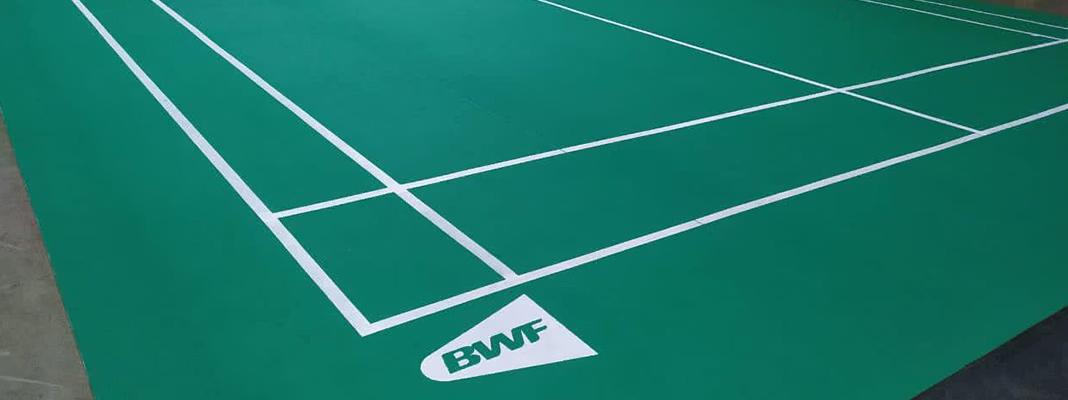

PVC Vinyl Sports Flooring
The most popular choice for indoor sports facilities and gyms. This flooring material combines durability, flexibility, and comfort, making it ideal for various sports and physical activities. Unlike traditional hard surfaces like concrete or wood, PVC vinyl flooring offers additional benefits such as shock absorption, reduced impact on joints, and enhanced safety. It's commonly used in gyms, multipurpose courts, indoor tennis courts, and even dance floors.
Key Features of PVC Vinyl Synthetic Sports Flooring:
- Durability:
Long-Lasting: PVC vinyl is resistant to wear and tear, making it suitable for high-traffic areas. It withstands the demands of rigorous sports and physical activity.
Scratch and Abrasion Resistance: The surface is tough against scuff marks, scratches, and abrasions, ensuring it looks newer for longer even under heavy use. - Comfort & Safety:
Shock Absorption: PVC vinyl flooring provides excellent shock absorption, which helps reduce the risk of injuries associated with impact, particularly in sports like basketball, volleyball, or gymnastics.
Slip Resistance: PVC vinyl has a non-slip surface, which helps athletes maintain grip during fast movements or sudden direction changes, improving safety during play. - Flexibility:
Cushioned Feel: It offers a cushioned underfoot experience, which is especially beneficial for high-impact activities like jumping, running, and intense court sports.
Flexible Installation: PVC vinyl can be installed in various forms, such as rolls, tiles, or planks, making it versatile for different setups and space configurations. - Easy Maintenance:
Low Maintenance: PVC vinyl floors are relatively easy to clean. Regular sweeping and occasional mopping with a gentle detergent are typically enough to maintain the surface.
Stain Resistance: Unlike other flooring options, PVC vinyl doesn’t absorb liquids or stains, which makes it ideal for areas where spills and accidents are common. - Customization:
Color and Design Variety: PVC vinyl flooring comes in a wide range of colors, patterns, and designs, allowing you to customize your sports flooring to fit your brand, theme, or aesthetic.
Markings for Sports: The surface can be pre-marked or customized for different sports, such as basketball, volleyball, tennis, badminton, or multi-purpose courts. - Water and Moisture Resistance:
Waterproof: PVC vinyl is naturally resistant to water, which prevents damage from spills, humidity, and moisture—ideal for indoor courts or gyms.
Easy to Dry: Since it doesn't absorb moisture, any water on the surface can be quickly wiped away, reducing the risk of mold or mildew growth. - Eco-Friendliness:
Many PVC vinyl floors are made with eco-friendly materials, and some products are 100% recyclable. This makes them a more sustainable option for sports facilities aiming to reduce their environmental footprint.
Applications of PVC Vinyl Synthetic Sports Flooring:
PVC vinyl is used in a wide range of sports and recreational facilities due to its versatility and comfort:
Indoor Sports Courts:
- Basketball: PVC vinyl offers good grip and shock absorption, making it suitable for basketball courts, where quick movements and jumps are common.
- Volleyball: Provides a comfortable, safe surface for volleyball players, reducing the risk of joint injuries.
- Badminton and Tennis: The flooring is often used in indoor badminton and tennis courts as it provides a smooth, consistent surface for fast-paced play.
Gymnasiums & Fitness Centers:
- Aerobics and Dance Floors: PVC vinyl provides cushioning for activities like dance, aerobics, and gymnastics, offering a good balance of support and comfort.
- Weightlifting Areas: PVC vinyl is durable enough to handle weight drops and heavy traffic in areas dedicated to strength training.
- Yoga or Pilates Studios: The smooth, cushioned surface makes it comfortable for yoga or Pilates classes, providing support during floor exercises.
Multi-Purpose Sports Facilities:
PVC vinyl can be customized with line markings for multiple sports, making it ideal for facilities that host a variety of activities.
Recreational Centers:
Used in community centers, schools, and recreational sports facilities where flexibility and safety are paramount for different types of events.
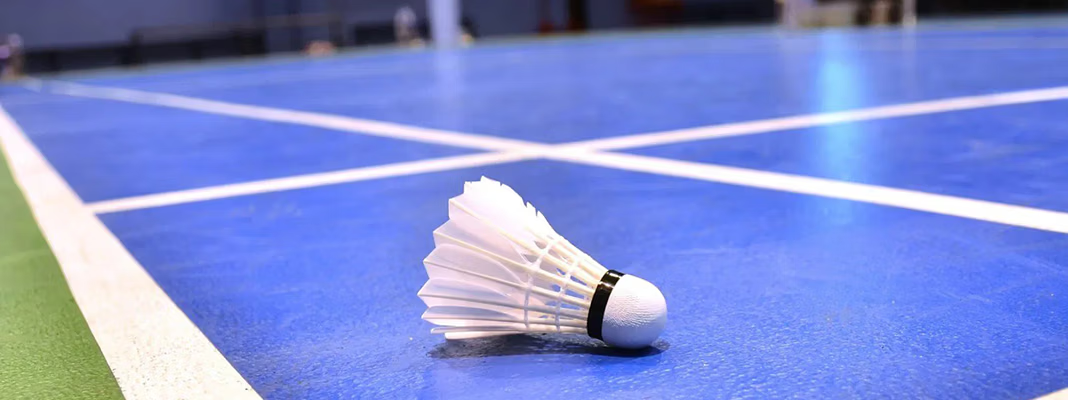
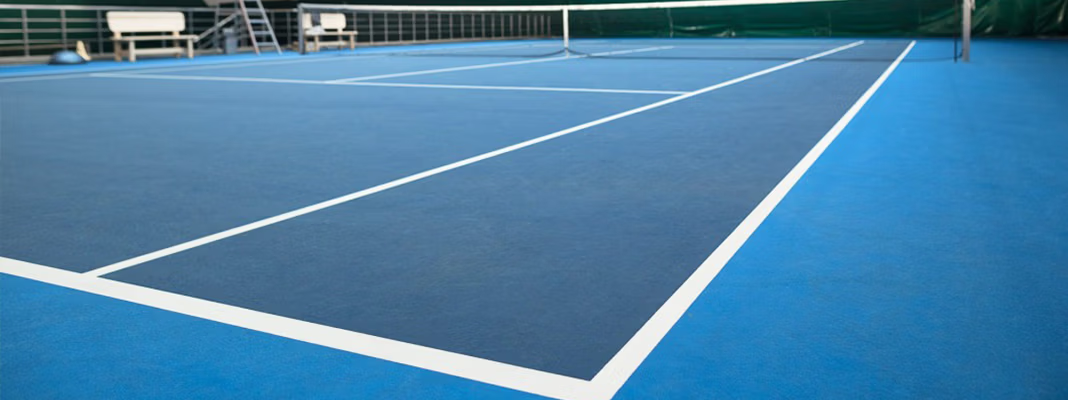
PU (Polyurethane) Synthetic Sports Flooring
A high-performance sports flooring option used in sports courts, gyms, and recreational areas. Known for its exceptional durability, comfort, and high-quality finish, PU flooring has become a go-to choice for professional and recreational sports environments. It's typically used for indoor courts but can also be used in certain outdoor settings depending on the climate and type of application.
Key Features of PU Synthetic Sports Flooring:
- Durability and Strength:
Long Lifespan: PU sports flooring is highly durable and designed to withstand intense use over time. Its resistance to wear and tear makes it a popular choice for professional sports venues and fitness centers.
Resistance to UV and Chemicals: PU flooring is resistant to ultraviolet (UV) radiation, which means it doesn't degrade under sunlight exposure, making it suitable for indoor and shaded outdoor courts. It’s also resistant to most chemicals, making it easier to clean and maintain. - Shock Absorption:
Enhanced Cushioning: One of the most important features of PU flooring is its excellent shock absorption properties. It helps reduce the impact on joints and muscles, making it ideal for sports that involve high-impact movements, like basketball, volleyball, or gymnastics.
Prevent Injuries: This cushioning effect can reduce the likelihood of injuries caused by falls, jumps, or repetitive impact, making it suitable for athletes of all ages and skill levels. - Comfort and Performance:
Elasticity: PU floors have a certain level of elasticity that enhances player comfort. The surface gives a little underfoot, allowing athletes to move more freely and perform better during sports activities.
Consistency: The evenness of the PU surface ensures consistent ball bounce and performance, which is particularly important for sports like tennis and basketball. - Slip Resistance:
Non-Slip Surface: PU sports flooring has excellent grip and slip resistance, even in high-intensity play. It ensures players maintain traction during quick movements, reducing the risk of slipping and falling.
Safe for All Levels: This makes it ideal for both professional-level courts and community or recreational sports centers where safety is a top priority. - Low Maintenance:
Easy to Clean: PU flooring requires very little maintenance compared to wood or other traditional surfaces. Regular cleaning with mild detergent and water is enough to keep it in good condition.
Resistant to Stains: Unlike porous surfaces, PU flooring is resistant to stains, so you don’t have to worry about spills or marks. - Environmental Benefits:
Eco-Friendly: Many modern PU flooring options are made from environmentally friendly, non-toxic materials. It's recyclable, which makes it a more sustainable option compared to other synthetic floors.
Low VOC Emissions: PU flooring has low volatile organic compound (VOC) emissions, making it healthier for indoor air quality.
Applications of PU Synthetic Sports Flooring:
Indoor Sports Courts:
- Basketball Courts: The shock-absorbing nature of PU flooring makes it ideal for basketball courts, where the floor is subject to constant jumping, running, and pivoting.
- Volleyball: Provides a soft, cushioned surface for volleyball players who dive and jump during games.
- Badminton & Table Tennis: PU flooring ensures that the ball or shuttlecock bounces consistently and that players can move comfortably on the surface.
Multipurpose Courts:
- Multi-Sport Venues: PU is commonly used in facilities that cater to different sports, including futsal, handball, indoor tennis, and more. The flooring can be marked for multiple sports and offers a versatile solution.
Fitness Centers and Gyms:
- Aerobics, Dance, and Gymnastics: The cushioning effect of PU flooring provides comfort and reduces fatigue in fitness or dance studios, which require a stable and forgiving surface for jumps and landings.
- Weightlifting Zones: PU floors can handle heavy equipment and weights, and they won’t get damaged easily by dropped weights.
Athletic Tracks:
- Indoor Running Tracks: PU is used in some indoor running tracks or sprint lanes for its combination of elasticity and durability.
Recreational Spaces:
- Community Sports Centers: Ideal for multi-use recreational centers, providing a safe, comfortable surface for all types of sports and activities.
Maintenance Tips:
- Regular Cleaning: Sweep the floor regularly to remove dirt and debris. Mop with a mild detergent to keep the surface free from grime.
- Avoid Harsh Chemicals: Clean the floor with pH-neutral cleaning solutions. Avoid harsh chemicals or abrasive cleaners that could damage the surface.
- Prevent Heavy Objects: Protect the floor from sharp objects or equipment that may cause permanent damage or scratches.
- Periodic Inspections: Inspect the floor for any signs of damage or wear, especially in high-traffic areas. Ensure that the surface remains even and free of cracks.
PP (Polypropylene) Tiles
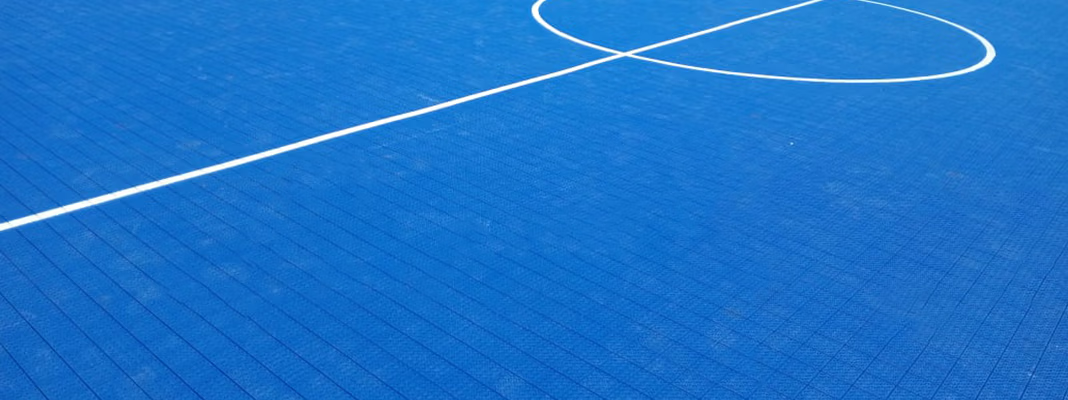
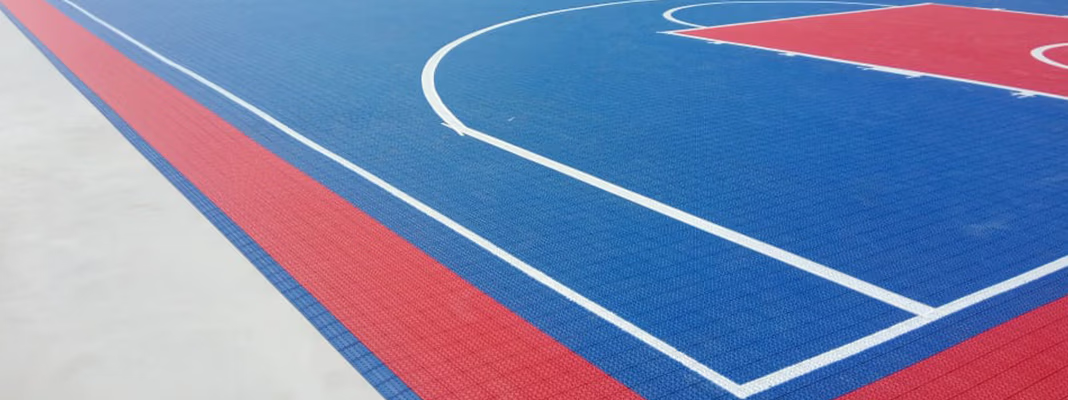
An increasingly popular choice for both indoor and outdoor sports surfaces. PP Tile is designed to provide a durable, versatile, and safe flooring solution for a variety of sports, including basketball, tennis, volleyball, and even multi-sport courts. PP tiles are made from high-quality polypropylene plastic, which is known for its strength, resilience, and ability to withstand heavy use.
Key Features of PP Tiles for Sports Flooring:
- Durability:
High-Impact Resistance: PP tiles are designed to be strong and resistant to impact, making them ideal for sports that involve frequent jumping, running, and sudden movements.
Weather Resistance: These tiles are UV-stabilized, meaning they won't fade or degrade under prolonged sun exposure. This makes them suitable for outdoor installations where weather conditions can vary. - Safety and Performance:
Shock Absorption: PP tiles are designed with shock-absorbing properties, which reduce the impact on joints during sports like basketball, volleyball, or aerobics. This helps to minimize the risk of injury.
Non-Slip Surface: The surface of the tiles is textured or patterned to provide excellent grip and traction. This ensures that players can move freely and safely, reducing the risk of slipping during fast movements or sudden stops.
Comfort: The tile structure often includes a flexible layer beneath the surface, which enhances comfort during physical activities. This is especially important in sports that require a lot of jumping or running. - Maintenance:
Low Maintenance: PP tiles require minimal maintenance. They are easy to clean with a broom or mop, and occasional washing with a hose is usually sufficient for outdoor installations. They are resistant to staining, so spills and dirt won’t cause lasting damage.
Easy to Replace: If a tile gets damaged, it can be easily replaced without the need to replace the entire floor. You simply remove the damaged tile and install a new one in its place, saving both time and money. - Weatherproof:
Outdoor Use: PP tiles are designed for use in both indoor and outdoor settings. They are resistant to moisture, UV rays, and temperature fluctuations, which makes them ideal for outdoor courts, sports fields, and recreational areas.
Drainage: The tiles often feature built-in drainage channels, allowing water to flow through the surface and away from the playing area. This prevents water pooling and ensures the surface remains playable even during or after rain. - Versatility:
Multi-Sport Applications: PP sports tiles are designed to accommodate a wide range of sports, including:
Basketball: Provides a high-performance, cushioned surface for running, jumping, and dribbling.
Tennis & Badminton: The smooth, even surface ensures consistent ball bounce and stability.
Volleyball: The tiles offer excellent traction and comfort for players.
Multi-Purpose Courts: Ideal for courts that need to support several different sports or activities (e.g., futsal, handball, netball, and more).
Multisport Grass Mat
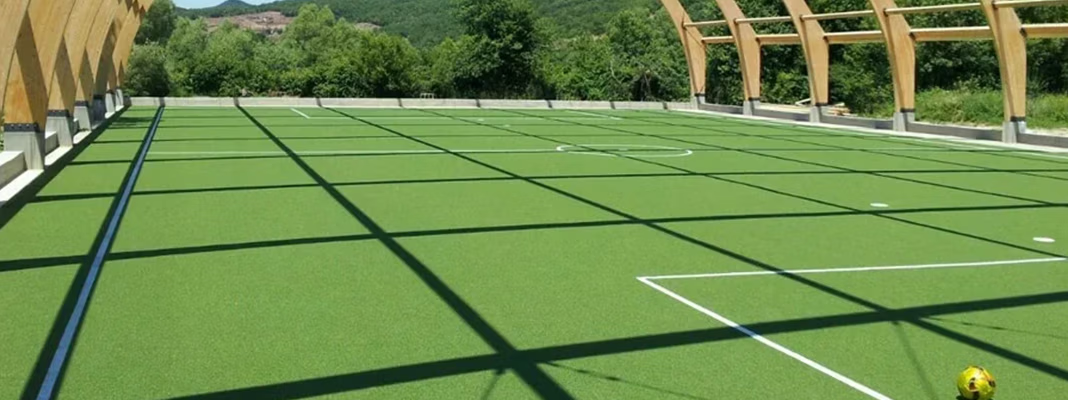
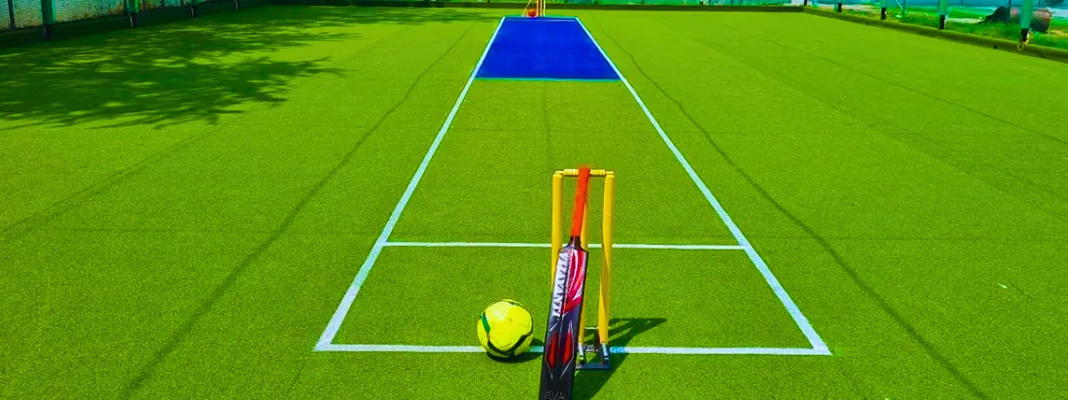
Multisport grass mat a versatile synthetic surface designed for use in a wide variety of sports and recreational activities. These mats are designed to mimic the look and feel of natural grass while offering a more durable and low-maintenance solution. They are commonly used in sports like Cricket, Football, tennis, golf, and even for kids' playground areas. These mats are an excellent choice for both indoor and outdoor installations, especially where natural grass is difficult to maintain or where weather conditions frequently cause disruptions.
Types of Multisport Grass Mat
- 9 mm Cricket Mat: is a type of synthetic cricket pitch mat typically used for practice, recreational, or professional-level cricket. These mats are designed to simulate the feel and bounce of a real grass cricket pitch, providing players with a consistent and reliable playing surface, regardless of the weather or ground conditions.
- 15 mm multisport grass mat is a thicker version of the standard synthetic grass mat which can either be fixed to the concrete floor or rolled up commonly used for cricket nets pitch, box cricket facility and recreational areas. With its added thickness, the 15mm mat offers a higher level of durability, comfort, and performance. It is designed to handle higher foot traffic and provide additional cushioning, making it ideal for more intense sports activities or areas where the surface needs to be more forgiving on joints.